Back to Blog
Humanity Formula in practice: Turning team insights into action
Sladen Consulting
Case StudiesEven experienced, committed teams can find themselves caught in competing priorities, reactive working and meetings that leave little time to think.
When a team has expertise, commitment and a willingness to adapt, what makes it difficult to perform at its best?
Recent work with a leadership team in a global life sciences organisation explored this question. Using the Humanity Formula, we looked at the team’s capabilities alongside the conditions people were working within, revealing strengths to build on and opportunities for more targeted action.
A leadership team in a global life sciences organisation navigating continuous change and competing demands.
The Humanity Formula diagnostic, supported by workshop facilitation and follow-up tailored to the team's finding and priorities, helping translate insights into ways of working.
The diagnostic revealed an experienced and committed team with valuable strengths.
Participant esponses highlighted adaptability, openness to learning and a shared understanding of where the team was heading. They also indicated a willingness to regulate pace when quality, safety or good judgement were at risk.
These foundations mattered. The opportunity was to understand what would help the team draw on them more consistently, particularly when pressure increased.
Sustained workload, urgency and continuous change were making it harder to find space for reflection and longer-term thinking.
Meeting and communication demands added to the pressure. Unclear roles, ownership and dependencies sometimes made collaboration more difficult, while shifting priorities contributed to duplication and frustration.
Understanding these challenges meant exploring how working conditions interacted with the team’s skills and behaviours. Where could development help? Where could clearer priorities or different ways of working make a difference?
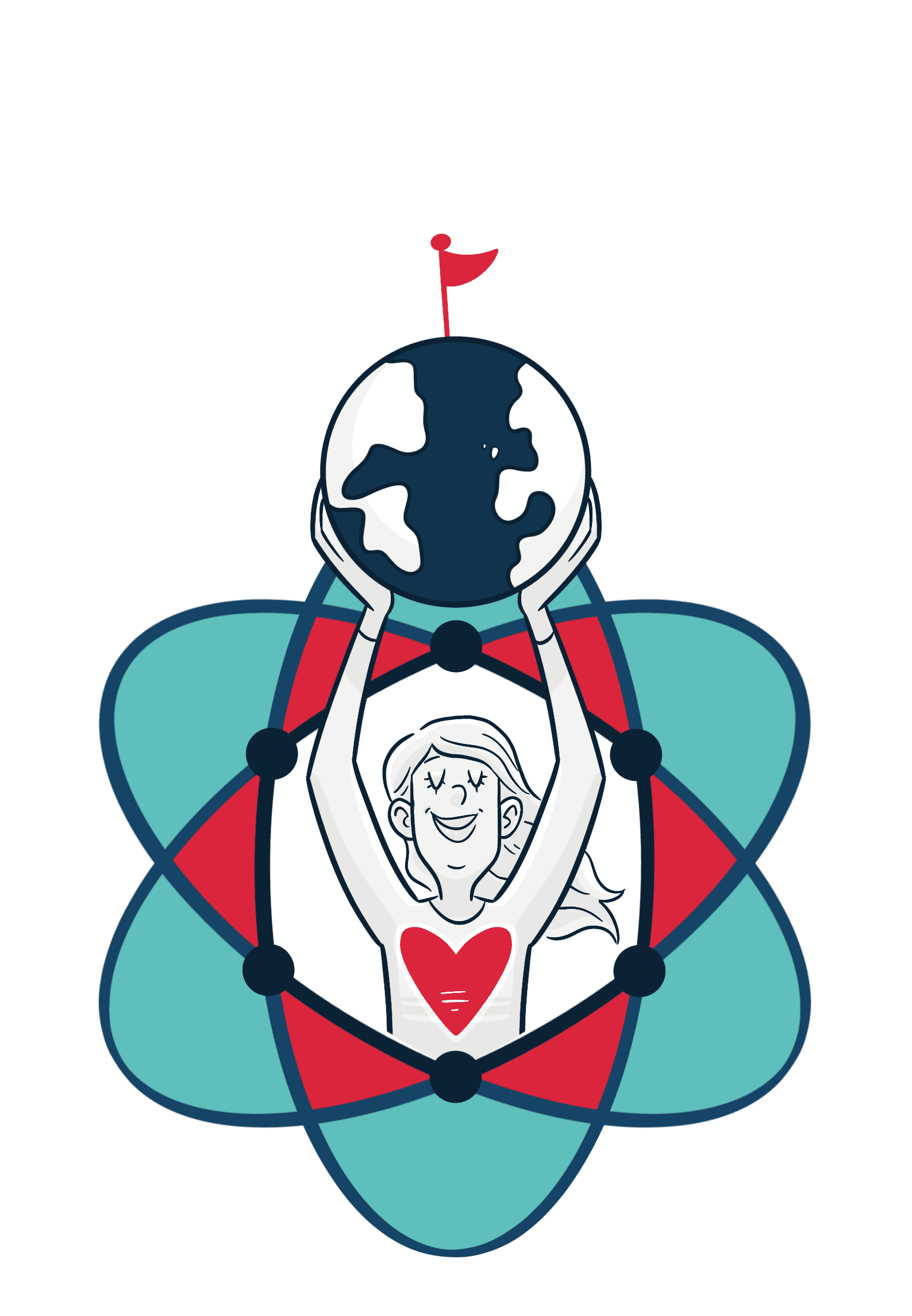
The Humanity Formula brought six elements into one picture:
Alongside questionnaire responses, workplace scenarios explored how participants might respond to ambiguity, changing direction and capacity constraints. Open questions captured what they wanted to address together.
This provided several perspectives on the team’s experience, helping identify patterns and areas for further discussion.
Strong capabilities were operating under sustained strain. The findings suggested that workload and competing demands were making it harder for the team to use its expertise consistently and collectively.
Systemic pressure emerged as the most significant challenge. Responses highlighted reactive working driven by external demands, alongside concerns about available capacity and continuous change.
Meeting and communication demands stood out as a source of overload. The findings pointed to a need for more space to pause, think and prioritise.
There were also opportunities to make collaboration easier. Clearer responsibilities, ownership and dependencies could help reduce friction across team boundaries.
The scenario responses added depth. Adaptability emerged as a strength in the team’s general responses, yet appeared harder to sustain in a scenario involving changing direction. Organisational friction was also more pronounced in a scenario involving cross-team working.
Alongside these conditions, the diagnostic identified opportunities to strengthen difficult conversations, constructive challenge and follow-through.
The report identified practical opportunities to:
Participants’ own requests reinforced these themes. They wanted an open environment for honest discussion, clearer responsibilities and ways of working that supported collective outcomes.
These priorities provided an agenda for further exploration with the team.
Our client’s feedback describes how facilitation and follow-up helped the team translate the findings into concrete ways of working they valued and wanted to put into practice.
“Thank you for your excellent facilitation and for guiding us through the Humanity Formula. The follow-up was extremely valuable: it helped us translate the insights into concrete ways of working that we all appreciate and want to put into practice.”
The leader also reflected on the shared language our approach provided:
“The Humanity Formula gave us a strong language for building on our adaptability and resilience while creating greater clarity, capacity and connection - especially when pressure is high.”
Looking at human capabilities and working conditions together created a fuller picture of what was influencing the team’s experience.
The diagnostic highlighted where skills and behaviours could develop, alongside pressures and organisational friction that also needed attention. It also showed why the team’s existing strengths deserved recognition and protection.
Facilitation and follow-up helped translate that understanding into practical direction. The client described a renewed connection with the team’s purpose and a shared language for discussing what would help them work effectively under pressure.
The result was a clearer understanding of the challenges and concrete ways of working the team wanted to put into practice.
What could become clearer if you looked at your team’s strengths and working conditions together?
Get in touch with our team to explore how the Humanity Formula could help you understand what’s supporting your team’s performance and what may be getting in the way.