How We Diagnose
Understand what is really happening beneath the surface.
When diagnosis becomes critical
Most of our work begins when something is not quite holding.
The work is moving. People are committed. Yet progress feels heavier than it should - and familiar issues keep resurfacing.
Leaders are expected to provide clarity without space to think. Teams are compensating for strain elsewhere. Change is underway, but it is not landing.
Under pressure, it is tempting to accelerate.
This is when disciplined diagnosis matters most.
Why this matters
In complex, regulated environments, the cost of misdiagnosis is rarely immediate - but it accumulates.
New programmes are launched. Structures are adjusted. Training is commissioned. Yet underlying patterns remain intact.
Without understanding what is really happening - in behaviour, relationships and day-to-day decision-making - organisations end up treating symptoms.
Over time, this erodes confidence, drains energy and makes change fragile.
Diagnosis is not a pause in the work. It is what prevents wasted effort and unintended consequences later.
Humanity shows up here as disciplined attention - to what people are experiencing, not just what metrics are reporting.
How we diagnose
We listen before we act
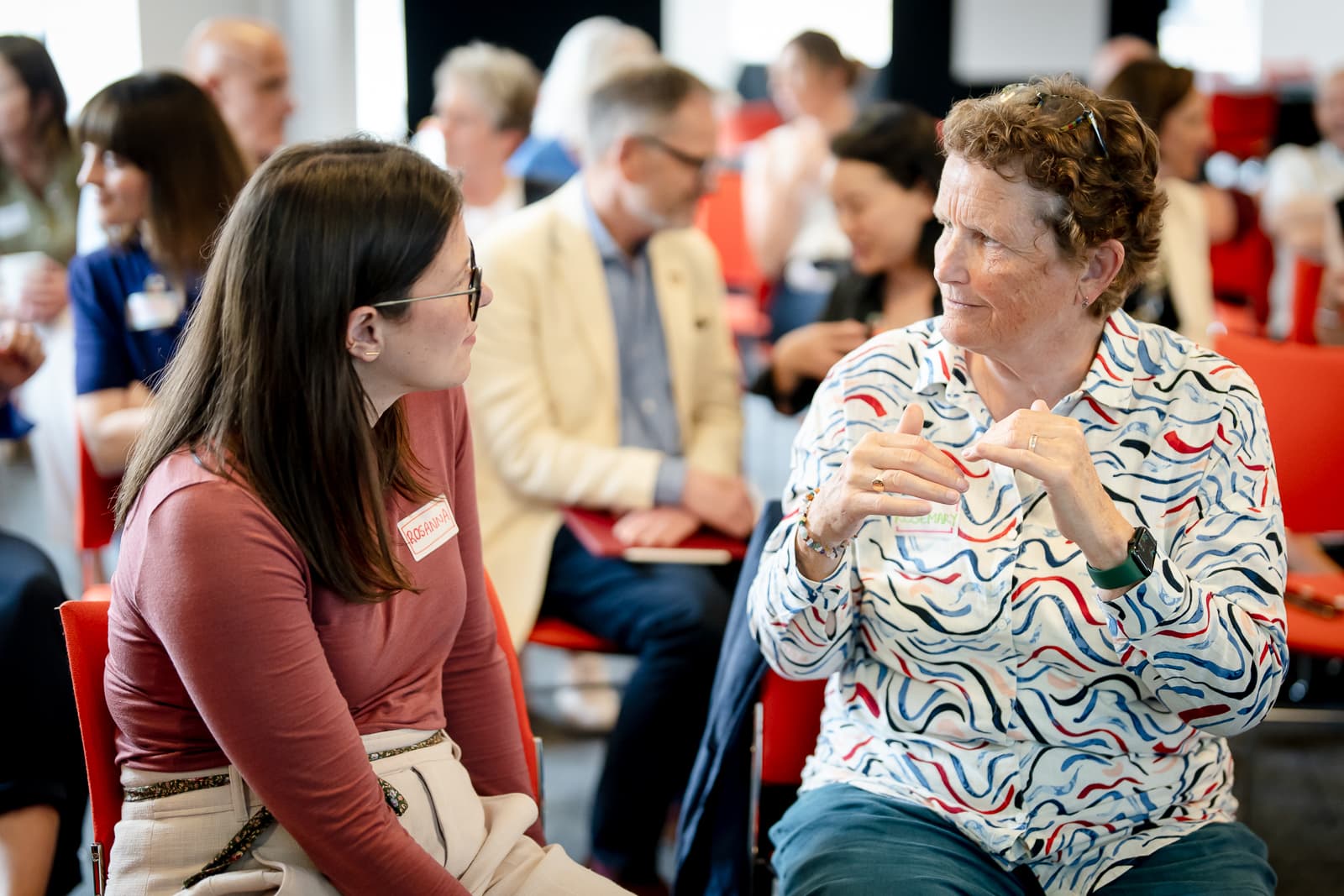
We explore what is keeping leaders awake at night - the real, human challenges beneath formal agendas. We pay attention to what is said, and what is avoided.
We clarify what we are truly dealing with
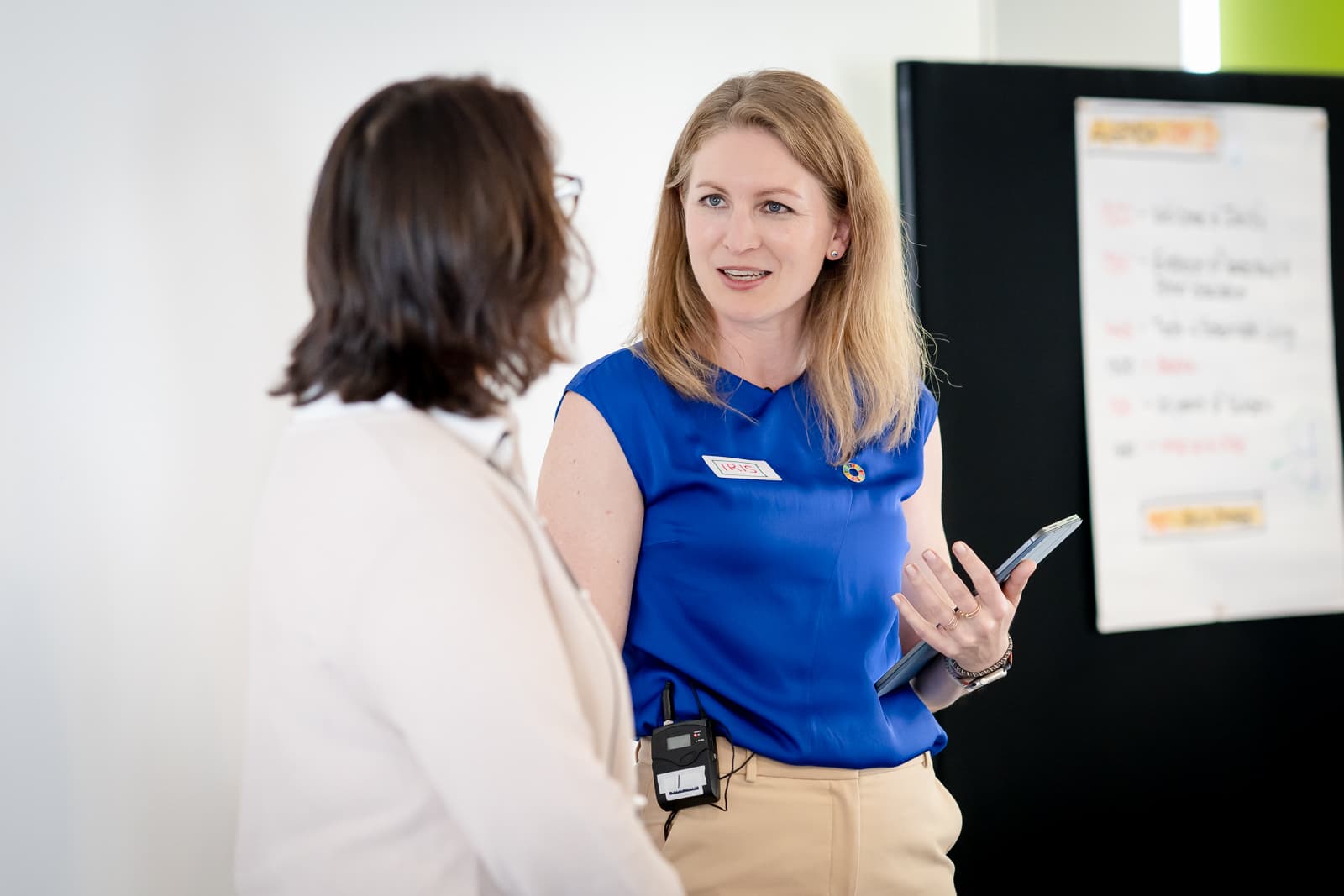
Together, we shape the right questions. We connect insight with intention. We surface patterns that sit beneath day-to-day friction.
We look beyond surface symptoms
We examine how leadership behaviour, team dynamics, systems and pressures interact. This helps distinguish what is structural, what is cultural, and what is the natural cost of sustained pressure.
We build shared understanding early
Leaders and teams are involved from the outset. Clarity is co-created, not delivered. Ownership starts here.
We resist premature solutions
We slow the work just enough to avoid fixes that feel decisive but fail under scrutiny. Speed without understanding creates rework. Clarity creates momentum.
What guides our judgement
Our diagnostic work is shaped by years inside global healthcare and other regulated systems, where scrutiny is high and consequences are real.
Where helpful, we draw on explanatory models to understand how pressure shapes behaviour, decision-making and alignment.
We also use technology thoughtfully to:
Spot patterns across large volumes of insight
Check for inclusivity blind spots
Surface themes that may otherwise be missed
These lenses strengthen clarity. They do not replace discernment.
Interpretation and accountability remain human-led.
What clients notice
Clients often describe this phase as clarifying and confidence-building. They feel:
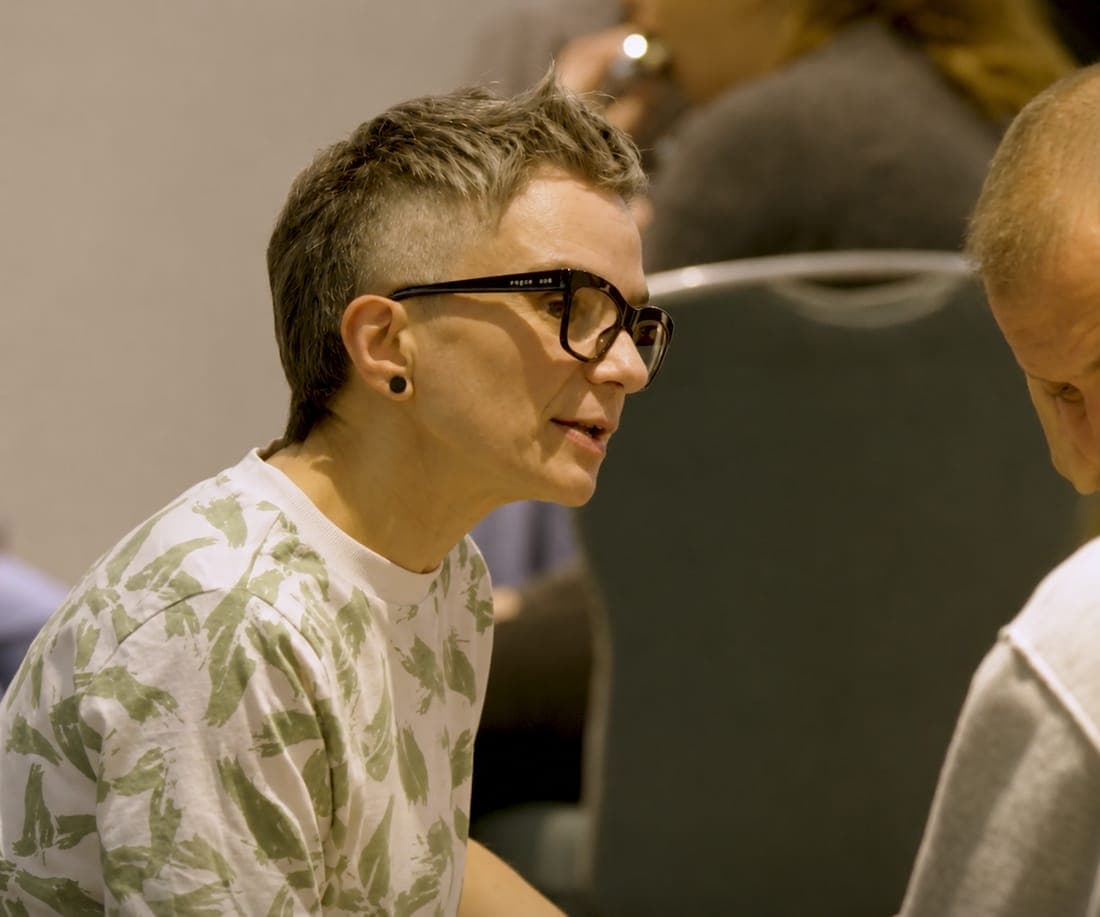
Properly listened to
Released from pressure to produce immediate answers
Clearer about what genuinely needs attention
For many, this is where momentum begins - not because solutions are rushed, but because the right questions have been asked.
How this shapes the wider work
Diagnosis determines what follows. It informs how we design work that fits reality, how we intervene alongside leaders and teams, and how we adapt when conditions shift.
Our Engagement Charter outlines the mutual commitments that make our partnerships work.
Start a conversation
If something feels complex, stuck or fragile - that is often the right place to begin.