How We Design
Shape interventions that fit lived reality.
When design becomes decisive
By the time design begins, the pressure to move is real.
Action is expected. Ideas are circulating. Solutions that look decisive are tempting.
Leaders know, however, that poorly shaped interventions - even with good intent - can increase uncertainty, accelerate change fatigue or trigger quiet resistance.
This is where design choices matter.
Why this matters
Design is often mistaken for packaging. Programmes are assembled quickly. Content is layered on. Scale is prioritised before fit.
The result may look comprehensive - but struggle to translate into day-to-day work.
When design ignores the lived reality of leaders and teams, initiatives feel disconnected or performative. Over time, appetite for change reduces. Credibility thins.
That is not how we work.
Thoughtful design is not about doing more. It is about doing what fits - at the right moment, in the right way. This is where humanity becomes operational - showing up as proportion and judgement.
How we design
We design with the system, not for it
Co-creation is deliberate. We work alongside leaders and teams to shape interventions that reflect how work truly happens - not how it appears on paper. Ownership begins in design, not delivery.
We work within real constraints
Time, regulation, capacity and competing priorities are part of the brief. We design with them, not around them. Sustainable progress requires realism.
We focus on clarity before complexity
We look for the smallest set of well-timed moves that will make a meaningful difference. Simplicity is not reduction. It is discipline.
We design inclusively
Different thinking styles, experiences and levels of confidence shape participation. We design so contribution feels accessible, relevant and respectful.
We build in space to adapt
Conditions shift. Priorities change. We design with enough flexibility to adjust as learning emerges - without losing coherence or momentum.
What guides our judgement
Our design decisions are shaped by years inside complex, regulated systems where scrutiny is constant and performance cannot dip.
We draw on:
Deep facilitation craft and behavioural insight
Inclusive design principles
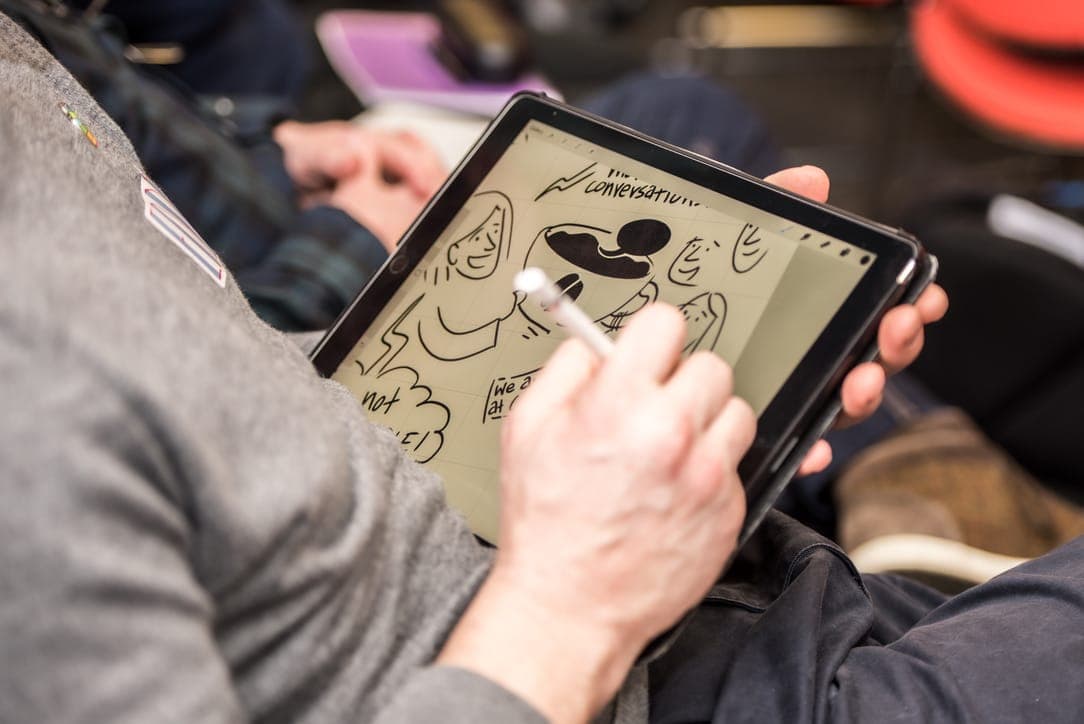
Storytelling, visuals and experiential learning
Technology strengthens judgement. It does not replace it.
The work remains human, relational and grounded in lived organisational reality.
What clients notice
Clients often describe the design as proportionate and purposeful. They notice:
Sharper focus on what truly matters
Clear intent behind each element
Space to think, reflect and contribute with confidence
Many say the work feels simpler than expected - not because the challenge is small, but because unnecessary complexity has been removed.
How this shapes the wider work
Design is the bridge between understanding and action. It determines how we intervene alongside leaders and teams - and how we adapt when pressure shifts.
Our Engagement Charter outlines the mutual commitments that make our partnerships work.
Start a conversation
If something feels complex, stuck or fragile - that is often the right place to begin.